


How Are Granite Headstones Made? Step-by-Step Process

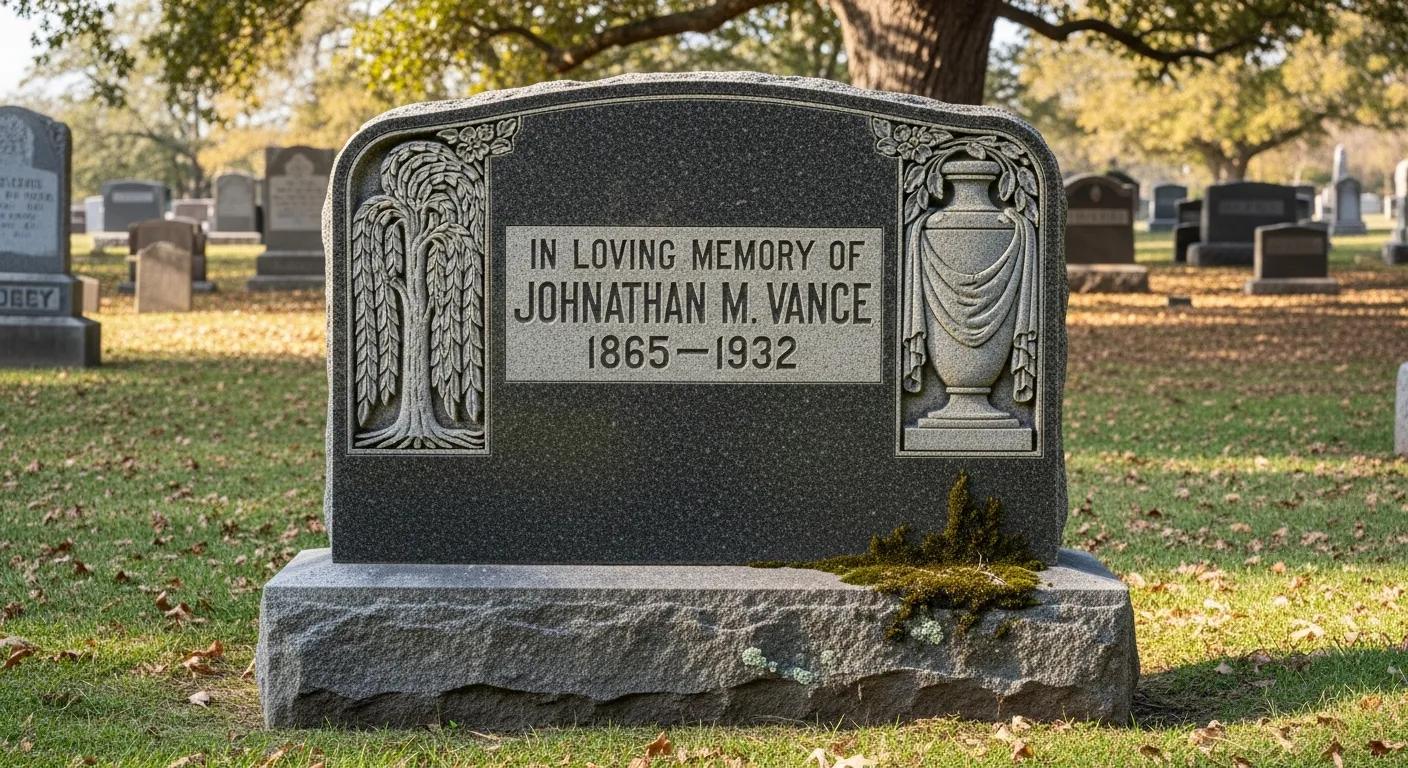
How Granite Headstones Are Made
Granite headstones offer a lasting, dignified way to remember someone you love. In this guide we walk through each stage — from quarry to engraving — so you can see the care and craft that go into every memorial. You’ll learn why granite is preferred, how raw stone becomes a polished marker, the options for custom designs and engraving, and the checks we use to ensure a finished piece will endure. Our aim is to help families make informed choices with the respect and clarity they deserve.
Table of Contents
- What Is Granite and Why Is the Preferred Material for Headstones?
- How Is Granite Processed from Quarry to Slab?
- What Are the Techniques for Shaping and Polishing Granite Headstones?
- How Are Custom Headstone Designs Created and Transferred for Engraving?
- What Are the Main Engraving Methods Used on Granite Headstones?
- How Is Quality Ensured and What Makes Granite Headstones Long-Lasting?
- Conclusion
What Is Granite and Why Is the Preferred Material for Headstones?
Granite is a hard, natural igneous rock prized for its strength and beauty. It comes in many colors and finishes, so each memorial can be personalized. Because it resists weathering and holds detail well, granite has been a trusted material for monuments for generations — giving families a tribute that stands the test of time.
What Are the Key Properties of Granite That Ensure Durability?
- Hardness: Granite is one of the toughest natural stones, so it holds up to scratching and daily wear.
- Low Porosity: It doesn’t absorb much water, which reduces damage from freeze‑thaw cycles.
- Weather Resistance: Granite weathers slowly, keeping inscriptions and shapes legible for decades.
Those qualities make granite an excellent choice when you want a permanent, well‑crafted memorial.
Research into granite’s physical and mechanical traits helps explain why it’s suitable for building and memorial applications.
Where and How Is Granite Quarried for Memorial Use?
Quarries that produce memorial‑grade granite are located around the world — including the United States, Brazil, India and China. Extracting quality stone involves careful site selection, precise cutting, and growing attention to environmental practices. Typical steps include:
- Site Selection: Choosing deposits with consistent color and tight grain suitable for memorial work.
- Extraction Techniques: Using diamond wire saws and other equipment to free large, usable blocks with minimal waste.
- Sustainable Practices: Many operators now reduce environmental impact through responsible waste management and land reclamation.
Responsible sourcing helps ensure the stone we use is both beautiful and ethically obtained.
How Is Granite Processed from Quarry to Slab?
After extraction, blocks are processed into slabs that fabricators can work with. That process typically includes:
- Cutting: Blocks are sawn into slabs of usable thickness.
- Polishing: Surfaces are ground and polished to bring out the stone’s color and pattern.
- Quality Control: Slabs are inspected for cracks, fissures, or other defects before they’re released for headstone production.
These steps prepare the raw material so craftsmen can shape it into a lasting memorial.
What Are the Steps Involved in Extracting and Cutting Granite Blocks?
- Drilling: Pilot holes and channels are drilled where needed to guide cuts.
- Wiring: Diamond wire saws slice blocks with precision and minimal material loss.
- Block Removal: Cut blocks are lifted and staged for transport to processing facilities.
Strict safety protocols protect workers and protect the integrity of the stone throughout extraction and handling.
The rise of diamond‑impregnated wire sawing has changed how granite blocks are extracted and slabbed, improving efficiency and yield.
Diamond Wire Sawing for Granite Block Processing
Today, wire sawing of natural stone is widely commercialized. Beyond single‑wire uses for rock extraction, diamond‑impregnated beads on steel ropes are commonly used on multi‑wire machines to slab granite blocks efficiently and with less waste.
The mechanics of sawing granite with diamond wire, 2021
How Are Granite Slabs Prepared and Transported for Headstone Fabrication?
- Surface Treatment: Slabs may be sealed or treated to preserve finish and color.
- Logistics Planning: Moving heavy slabs requires route and load planning to avoid damage.
- Handling Protocols: Specialized lifting gear and careful stacking protect slabs in transit.
Attention to preparation and transport keeps slabs in prime condition until they reach the workshop.
What Are the Techniques for Shaping and Polishing Granite Headstones?
Shaping and finishing granite combines skilled hands and precise machines. Key steps include:
- Precision Sawing: Accurate cutting tools form the basic shape and any profiles.
- Polishing Methods: Progressive grits and polishing techniques produce the final sheen and texture.
Precision in these stages determines how well the finished headstone presents and holds up over time.
How Is Precision Sawing Used to Shape Granite Slabs?
- Types of Saws: Diamond‑bladed saws and CNC cutting tools are used for clean, accurate cuts.
- Benefits of Precision Cutting: Precise cuts ensure pieces fit together, edges align, and designs read clearly.
- Impact on Final Product Quality: Quality cutting minimizes weak points and improves the overall look and longevity.
With accurate sawing, craftsmen can achieve the shapes and details families request.
What Polishing Methods Enhance Granite’s Appearance and Longevity?
Wet Polishing: Water cools the stone and reduces dust, producing a smoother, shinier surface.
- Dry Polishing: Used less often due to dust and heat; applied in specific situations when appropriate.
- Comparative Effects: Wet polishing generally results in higher gloss and better protection against wear.
Proper polishing not only improves appearance but also helps protect the stone for years to come.
How Are Custom Headstone Designs Created and Transferred for Engraving?
Designing a custom headstone is a collaborative process between families and our designers. It typically includes:
- Design Consultation: We talk through ideas, symbols, inscriptions and layout preferences.
- Technology Utilization: Digital mockups and design software help you see the finished piece before production.
This collaboration ensures the memorial reflects the person it honors.
What Is the Process of Designing Personalized Headstone Layouts?
- Initial Sketches: Designers draft preliminary layouts from the family’s input.
- Digital Mockups: We provide digital previews so you can visualize proportions and text placement.
- Final Adjustments: We refine the design until it matches your expectations.
Working together guarantees the final layout feels right and says what you want it to.
How Are Rubber Stencils Prepared and Applied for Engraving?
- Material Selection: Durable rubber is chosen to hold fine detail and withstand the engraving process.
- Stencil Creation: Designs are cut into the rubber to form exact templates.
- Application Techniques: Stencils are positioned and secured to ensure proper alignment during engraving.
Accurate stencil work is essential for clean, well‑formed lettering and images.
What Are the Main Engraving Methods Used on Granite Headstones?
There are several engraving methods used to personalize granite, each with strengths. The most common are:
- Sandblasting: Abrasive material propelled at high speed carves deep, durable lettering and relief.
- Laser Etching: Laser work produces fine detail and photo‑quality grayscale images.
- Hand Carving: Traditional carving adds a handcrafted, unique touch.
How Does Sandblasting Create Deep and Durable Carvings?
Sandblasting is a reliable method for deep, long‑lasting carvings. The process includes:
- Equipment Setup: A sandblasting cabinet or nozzle delivers abrasive at controlled pressure to the marked areas.
- Design Application: Stencils guide which parts of the stone are exposed to the abrasive stream.
- Benefits of Deep Carvings: Deeper cuts stay legible longer and resist surface wear and weathering.
Sandblasting is ideal when durability and clear, bold lettering are priorities.
What Are the Advantages of Laser Etching and Hand Carving Techniques?
- Precision of Laser Etching: Lasers capture very fine details, including photographic images and subtle shading.
- Artistry in Hand Carving: Skilled carvers create one‑of‑a‑kind features and a personal, handcrafted feel.
- Durability of Each Method: Both approaches produce engravings that remain visible and attractive over time when done correctly.
Your choice depends on the look you want — photographic realism, handcrafted charm, or deep, classic lettering.
In addition to sandblasting and laser work, CNC machines are now commonly used to engrave photos and complex designs with consistent, high‑quality results.
How Is Quality Ensured and What Makes Granite Headstones Long-Lasting?
Quality control is built into every step of production so each memorial meets our standards for craft and durability. Typical measures include:
- Final Inspection: A close check for flaws, correct lettering, and finish quality.
- Finishing Touches: Final polishing, cleaning, and any paint or gilding for lettering are applied.
- Packaging for Delivery: Careful crating and padding protect the headstone during shipping and installation.
These checks help ensure the headstone arrives and remains a faithful, lasting tribute.
What Are the Final Inspection and Finishing Steps Before Delivery?
- Visual Inspection: Craftsmen review the stone for chips, cracks, or finish issues.
- Final Polishing: A last polish brings out color and protects the surface.
- Packaging: Headstones are secured for transport to prevent shifting or damage.
These careful steps ensure families receive a memorial that honors their loved one with dignity.
Why Does Granite Provide Superior Longevity for Memorials?
Granite’s natural makeup gives it a real advantage for outdoor memorials. Consider:
- Resistance to Weathering: Its hardness and low porosity slow down erosion and staining.
- Historical Durability: Granite monuments have lasted for centuries in many climates.
- Customer Testimonials: Families frequently note how well granite maintains its appearance over time, reinforcing its reputation as a dependable choice.
For lasting, low‑maintenance memorials, granite remains a top choice.
Frequently Asked Questions
How long does it take to create a custom granite headstone?
From initial consultation to delivery, most custom headstones take about 6 to 12 weeks. Timelines depend on design complexity, material availability, and current shop workload. If you have a specific date in mind, let us know early so we can plan accordingly.
Can granite headstones be personalized with images or symbols?
Yes. Laser etching, sandblasting and CNC engraving can reproduce photographs, religious symbols, emblems, and custom artwork. We work with families to choose the technique that best suits the image and desired finish.
What maintenance is required for granite headstones?
Granite is low maintenance but benefits from occasional care. A soft brush and mild soap with water remove dirt, moss or algae. Check the stone after severe weather and address any settling or damage with your provider.
Are there any environmental considerations when choosing granite for headstones?
Yes. Many quarries and fabricators are adopting sustainable practices like waste reduction and responsible land management. Ask about the origin of the stone and the quarry’s environmental practices if sustainability is important to you.
What are the differences between traditional and modern engraving methods?
Traditional hand carving offers a bespoke, artisan look but can be more time‑intensive. Modern methods like laser etching and CNC engraving deliver precise detail and faster turnaround, including photo‑quality images. Each method has aesthetic and practical trade‑offs — we’ll help you choose what best fits your vision.
Conclusion
Knowing how granite headstones are made can help families choose with confidence. From careful quarrying and slab preparation to skilled finishing and engraving, each step is guided by craft and care. If you’re considering a custom granite memorial, we’re here to help you design a piece that respectfully preserves memories for years to come. Explore our range of custom granite headstones to find the right tribute for your loved one.





 0% Instalment Plans - Up to 12M - Call For Details!
 Free shipping